


by Brian Hioe
語言:
English
Photo Courtesy of New York Asian Film Festival
This is a No Man is an Island film review written in collaboration with Cinema Escapist as part of coverage of the 2025 New York Asian Film Festival. Keep an eye out for more!
LISA LU PLAYS HERSELF is, unfortunately, a mess of a documentary. Focusing on Chinese American actress Lisa Lu, it does not lack interesting material. Likewise, the filmmakers’ passion for their subject shows through. Unfortunately, it is also relatively clear that the filmmakers have relatively little experience in the medium of documentary.
In particular, the movie consists mostly of interviews with Lu, her collaborators, and family members, interspersed with archival footage of her films. In this, the movie benefits from a wide range of sources, with detailed interviews not only with Lu’s daughters, but also her friends.
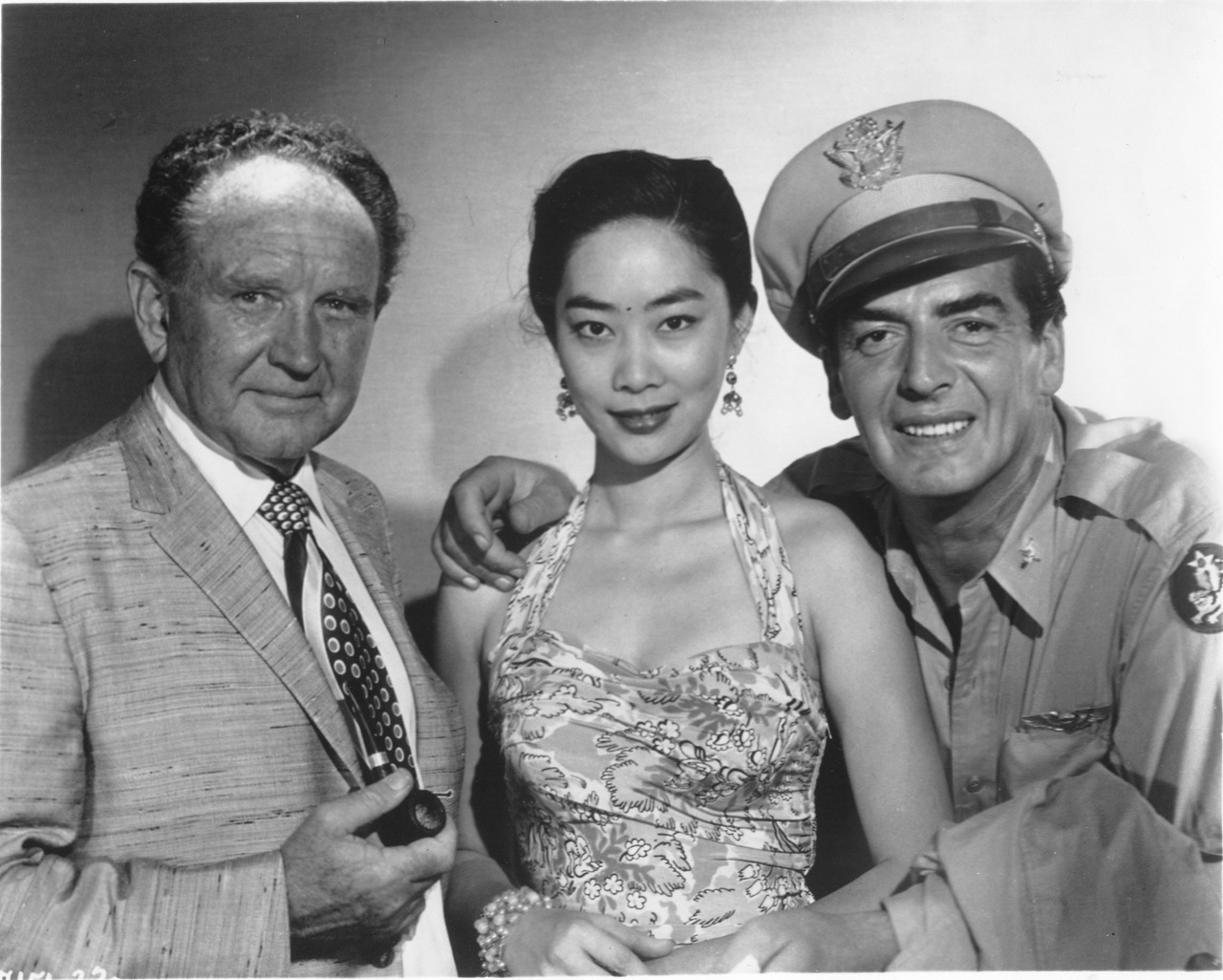
Photo courtesy of New York Asian Film Festival
To this extent, the film opts for a straightforward approach that mostly follows the trajectory of Lu’s career. The movie progresses sequentially through the highlights of Lu’s repertoire, from her youth in an era in which Western film depictions of Asia were highly stereotyped, to the much more nuanced roles of her late career.
However, this straightforward approach is ultimately to the movie’s detriment. Besides creating a jumpy feel by progressing through significant tracts of Lu’s storied career with large time skips, this approach deprives the film of any clear narrative thread to explore Lu’s life.

Photo courtesy of New York Asian Film Festival
Consequently, Lisa Lu Plays Herself comes off more as a presentation of unarranged material, rather than a look at Lu’s life that has any clear angle. Though the movie may aim to avoid editorializing, this is to its detriment, in that no clear take on Lu, or specific insight into her life, views, or the trajectory of her career emerges.


Furthermore, the movie sometimes simply comes off as amateurish. For example, the filmmakers for some reason decided to keep some casual color commentary between themselves and their interviewees in the final product, which feels extremely distracting. Even worse, it is not clear why some interviewers are introduced early on before failing to appear for the rest of the movie. And while the documentary closes with a thirtieth anniversary screening of The Joy Luck Club, this is a somewhat tacked-on ending, shot amateurishly through unsteady use of a handheld camera.
It should be relatively self-apparent that Lisa Lu Plays Herself is not exactly a professional production. As a passion project, the movie is still an admirable effort. But anyone except for those who already have significant knowledge of Lu (and who might therefore enjoy watching a largely uneditorialized mass of footage about her), might otherwise find Lisa Lu Plays Herself a confusing and muddled watch.