

by Brian Hioe
語言:
English
Photo Courtesy of Alula Film Festival
This is a No Man is an Island film review written in collaboration with Cinema Escapist. Keep an eye out for more!
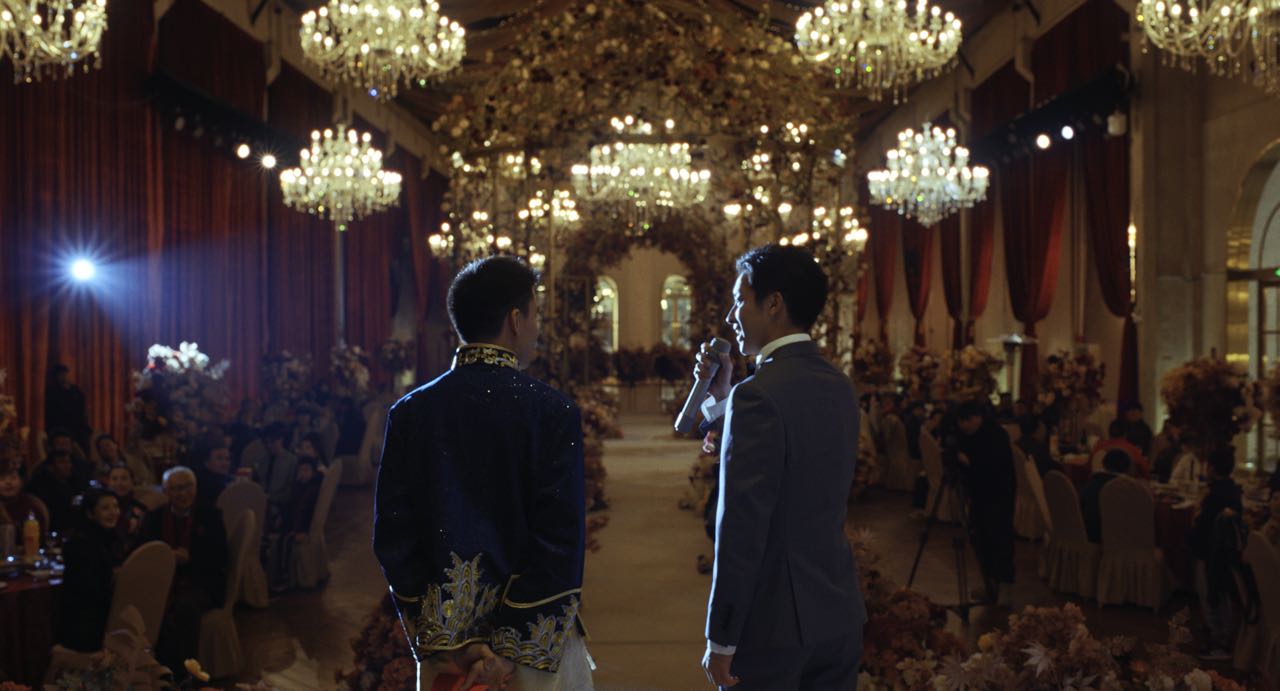
AS THE WATER FLOWS takes as its subject the lives of the elderly–an increasingly common subject in the Sinophone world at a time of rising elderly populations and decreasing birthrates. The movie follows Shu-wen, a retired academic whose wife died a year ago, and his three daughters. Specifically, the film explores Shu-wen’s relationship with his three daughters and his three grandchildren.
Perhaps in a nod to the twist ending of Ang Lee’s Eat Drink Man Woman–also about a widower and his three daughters–As the Water Flows begins with Shu-wen announcing to his daughters that he intends to pursue a new relationship with a family friend. However, this does not go down well with his three daughters, probably because of the poorly-timed nature of his announcement–Shu-wen announces this on the first anniversary of his wife’s death.

Photo courtesy of the Alula Film Festival
The rest of the movie, then, focuses on Shu-wen’s relationship with his family. Shu-wen is sometimes castigated by his three children, who are all strong personalities with complex relationships with not only their father but their own children. On the other hand, Shu-wen seems to have a less troubled relationship with his three grandchildren, two of which are young adults, and the last of which is still a secondary school student.
Ultimately, Shu-wen’s three daughters blend into each other as an ensemble act, while more individuality emerges from the stories of Shu-wen’s grandchildren. It is maybe to the movie’s detriment that the film has so many characters, leaving relatively little time to depict all characters in their complexity, or to map out how they all relate to each other, even if it attempts this through episodic interludes featuring each of the primary characters.


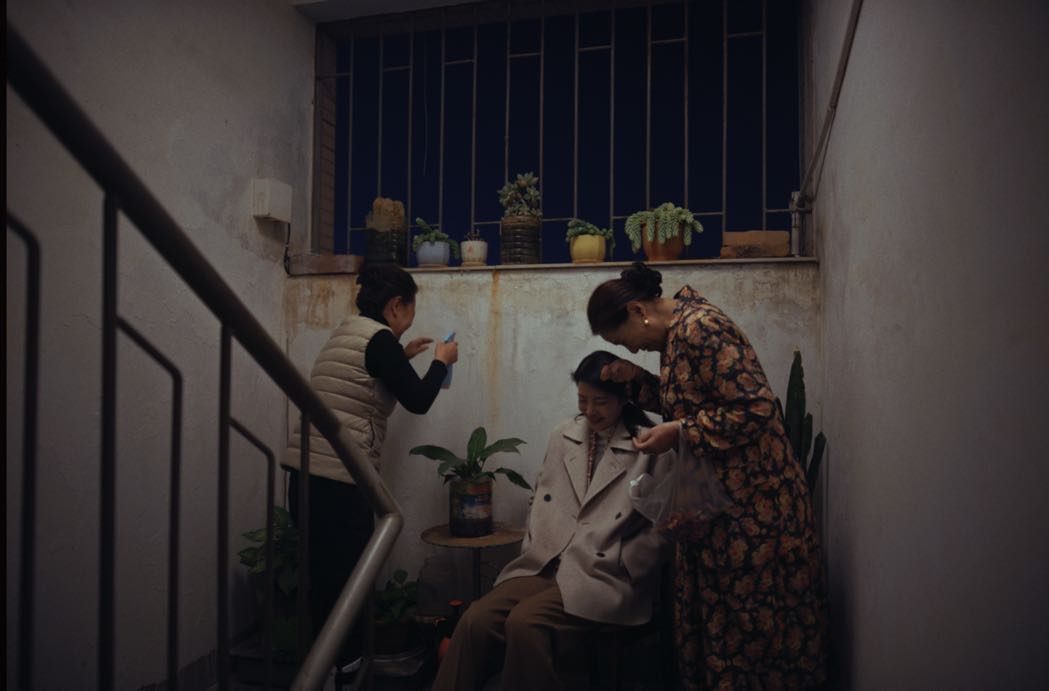
Photo courtesy of the Alula Film Festival
But much of the movie’s strengths emerge from Li Zhenping’s nuanced depiction of Shu-wen. Li manages a quiet depiction of an unassuming academic, who still bears the scars of having been labeled a rightist during the Cultural Revolution, as an educated intellectual. Dealing with the struggles of old age, Shu-wen is lonely after the death of his wife, and increasingly unsure how to connect with his children now that he has to depend on them in old age.
As The Water Flows stands out among the many Sinophone family dramas featuring three generations of family members. It does this by presenting its subjects with humanistic warmth and through strong character acting. A cut above other contemporary examples, such as Little Big Women or The Funeral, As the Water Flows is a stronger entry among Sinophone family dramas of recent years.